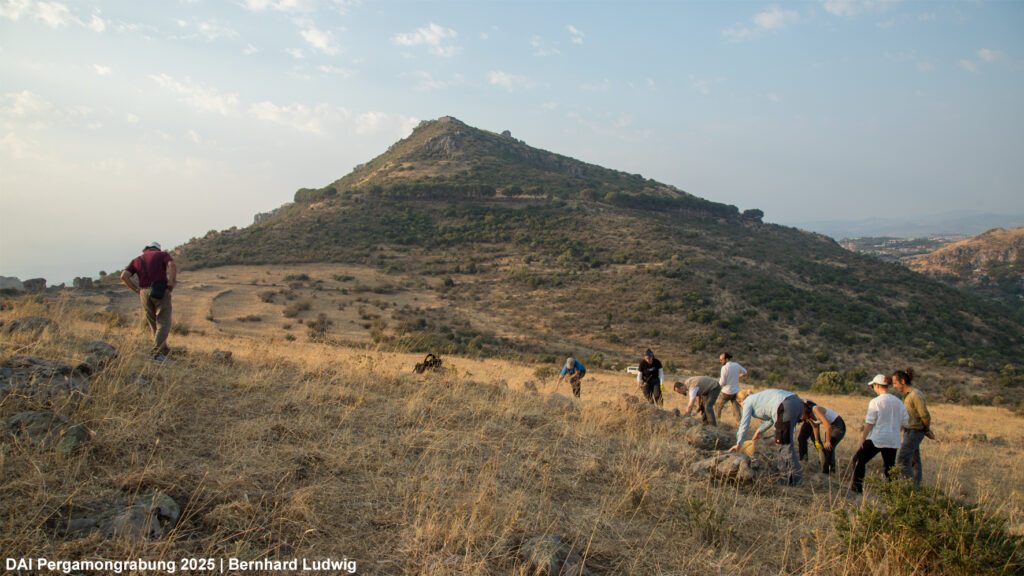
Focus-fire on wood: Assessing resource use and especially wood consumption in the Pergamon Micro-Region during the annual project meeting

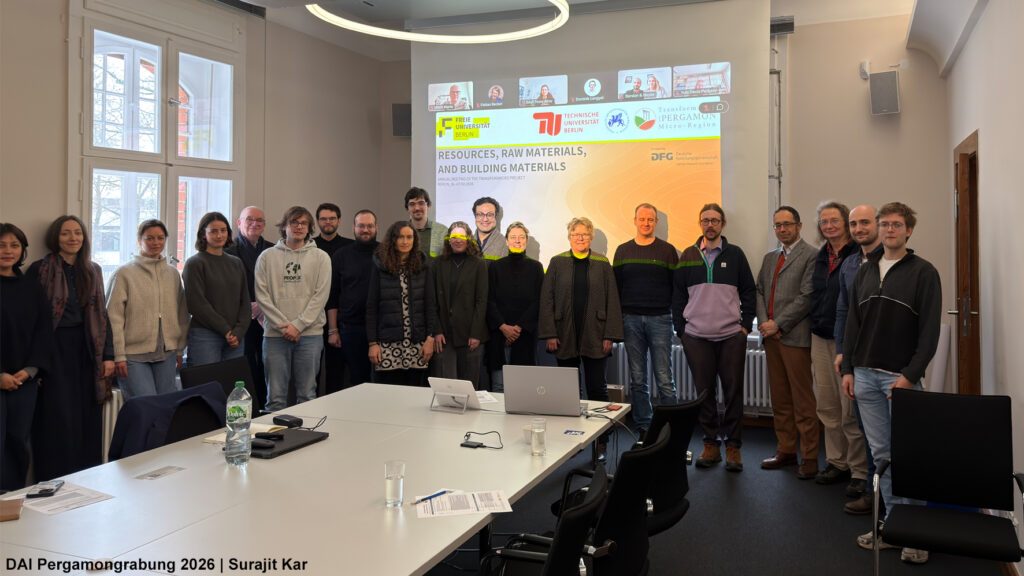
The annual TransPergMicro meeting, held on February 6–7 at Freie Universität Berlin, brought researchers together at the historic Engler Villa despite wintry conditions. Over two days, participants exchanged interdisciplinary perspectives on resource use in the Pergamon Micro-Region, advanced collaborative discussions, and mapped out future work, resulting in a highly productive and engaging workshop.
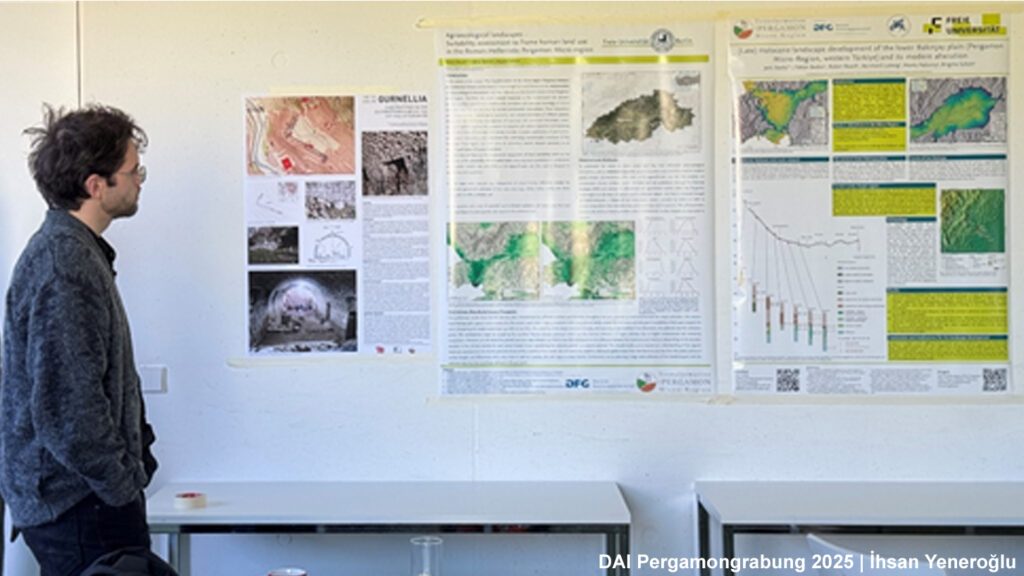
Exchange, Connections and Collaborations: The TransPergMicro PreDoc Workshop 2025

On March 28, the PreDoc-workshop of TransPergMicro brought together early career researchers from across the project to present and discuss their ongoing work related to Pergamon. The workshop was hosted by Freie Universität in the so-called “Holzlaube” and was attended by 18 participants in person and 11 online. The workshop served as a platform to connect the different disciplines involved in TransPergMicro – Physical Geography, Historical Architecture, Classical Archaeology, and Ancient History.

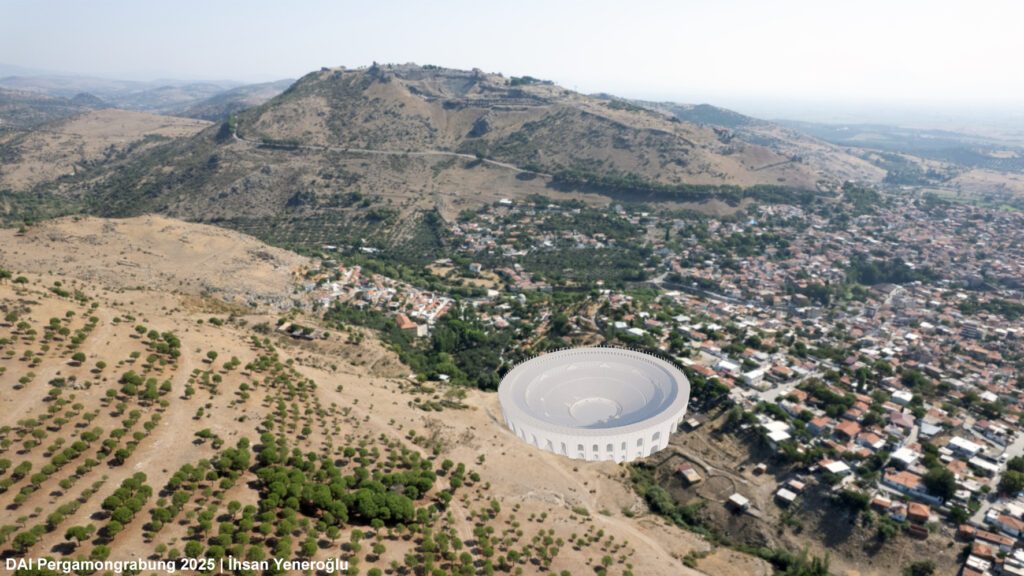
İhtişamdan Çöküşe: Disiplinlerarası Araştırma, Pergamon’un Unutulmuş Amfitiyatrosunun Hikâyesini Anlatıyor

Yüzyılların tarihini barındıran Pergamon Amfitiyatrosu, ihtişam, yenilikçilik ve kaçınılmaz çöküşün hikâyesini gözler önüne seriyor. Bir zamanlar 15.000 kişilik kapasitesiyle Roma’nın görkeminin bir simgesi olan bu olağanüstü yapı, modern arkeolojik araştırmalar sayesinde gün yüzüne çıkarılarak, zamanın tozu altında uzun süredir gizli kalmış sırlarını ortaya koymaktadır.

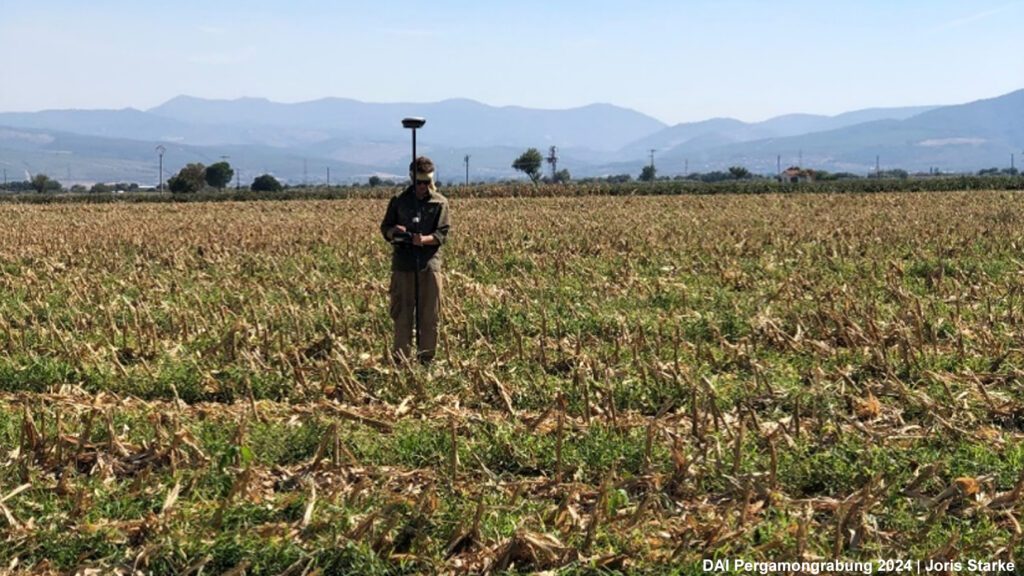
The archaeology in geoarchaeology: examples from field mapping during the 2024 campaign of the physical geography group

During the 2024 joint fieldwork of Freie Universität Berlin and Ege Üniversitesi, we explored the eastern lower Bakırçay plain, mapping geomorphological features. Collaborating with archaeologists, we investigated the ancient Bakırçay River’s shifting course, focusing on fluvial traces and elevations to better understand its historical hydrology. Stay tuned for our findings!