Pergamon Excavation’s ‘Open Door’ Day: An Insight of How Archaeologists Work and Stay

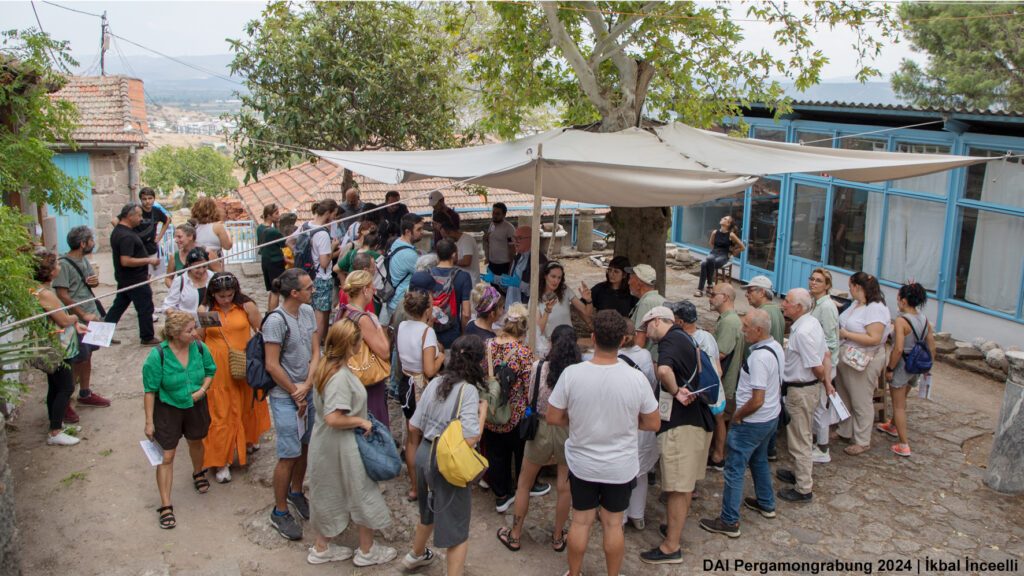
Pergamon Excavation House, the heart and center of the Pergamon Excavation, opened its doors to visitors from Bergama on Saturday, September 7, 2024. This special event, organized for the first time within the scope of ‘Pergamon Meetings’ with the contributions of the Ministry of Culture and Tourism of the Republic of Türkiye and Bergama District Municipality, aimed to offer participants a day full of history and archaeology.

Pergamon Kazısının ‘Açık Kapı’ Günü: Arkeologların Nasıl Çalıştığı ve Nasıl Konakladığına Dair Dışarıdan Bir Bakış

Pergamon Kazısının kalbi ve ana merkezi olan Pergamon Kazı Evi, 7 Eylül 2024 Cumartesi günü kapılarını Bergamalı ziyaretçilerine açtı. Türkiye Cumhuriyeti Kültür ve Turizm Bakanlığı ile Bergama İlçe Belediyesinin katkılarıyla düzenlenen ‘Pergamon Buluşmaları’ kapsamında ilk defa gerçekleştirilen bu özel etkinlik, katılımcılara tarih ve arkeoloji dolu bir gün sunmayı amaçladı.

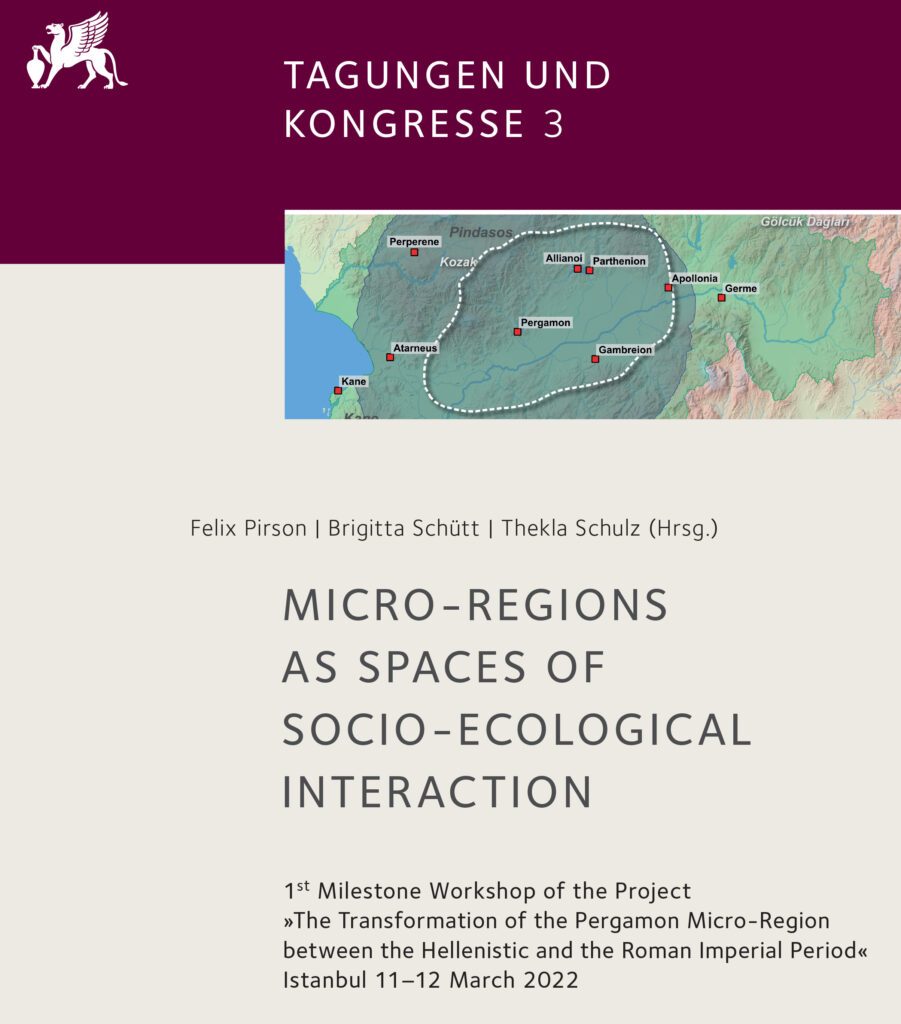
The Selinos River in Pergamon. Investigating the Relations Between Urban Development, the Alteration of Natural Space and Changing River Dynamics

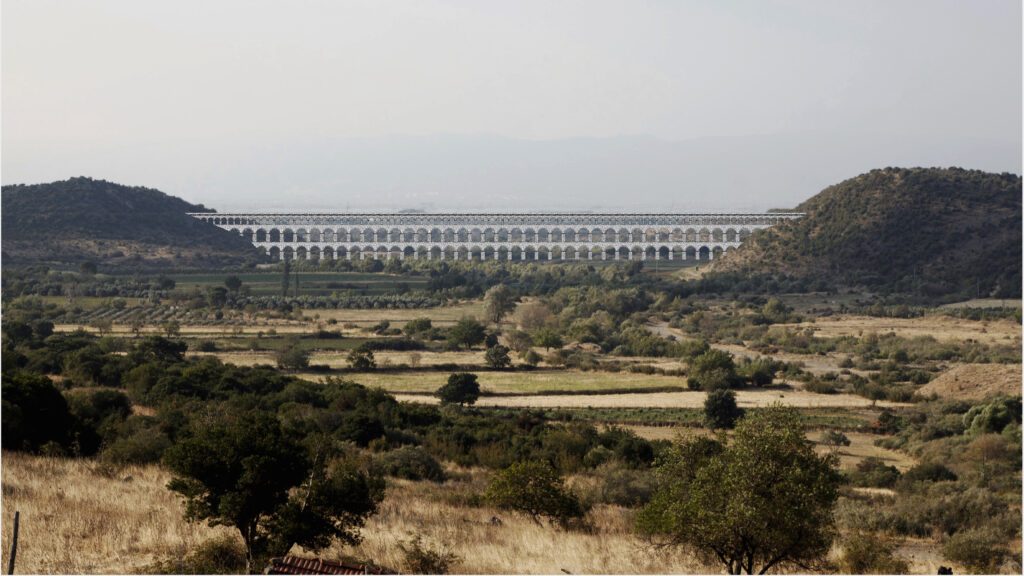
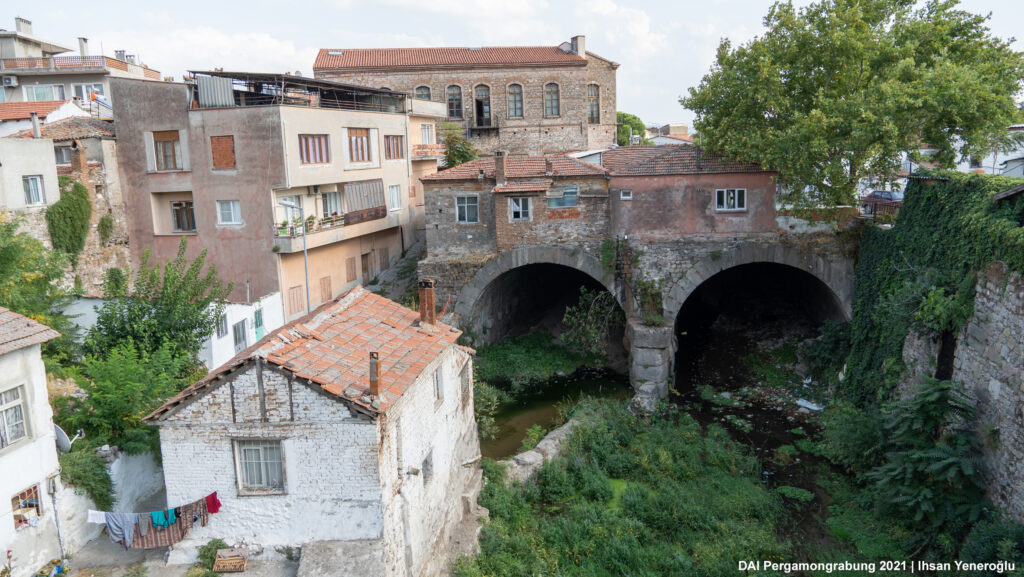
The Selinos River, now known as Bergama Çayı, plays a significant role in shaping the urban landscape of the city. This was highlighted at the annual TransPergMicro workshop, where the relationship between urban development, changes in natural space, and the river’s dynamics were analysed and discussed. The initial findings, presented in this blog post, will be incorporated into a TransPergMicro sub-project.
Secrets of Selinus: New Discoveries Reshape the Understanding of Pergamon’s Urban Riverbank

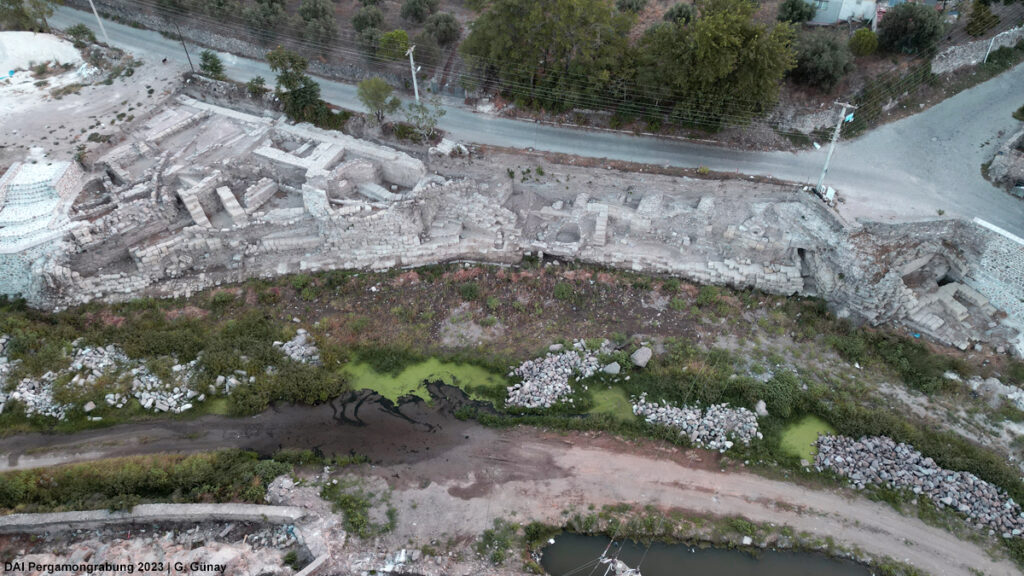
The developing landscape of Bergama unfolds along the Bergama Çayı, where the recent construction of a river embankment by the DSİ revealed ancient structures. Excavations from 2021 to 2023 under the direction of Bergama Müzesi uncovered an 1 km² wide area. In collaboration with DSİ, the İzmir State Monuments Authority and the Pergamon Excavation Project, the ongoing conservation work is contributing to a master’s thesis focusing on detailed documentation, with an emphasis on construction phases and techniques. This study explores the historical layers of the site to uncover ancient urban development and the interactions between human and nature during the Roman Imperial period.

The Largest Theater in Ancient Asia Minor Rediscovered

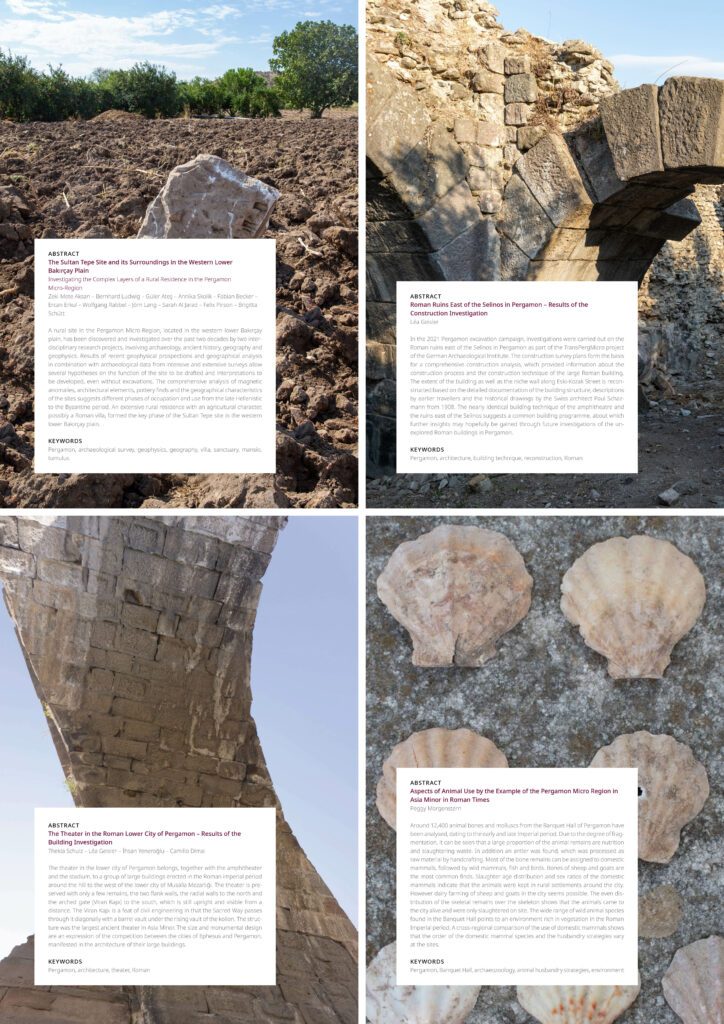
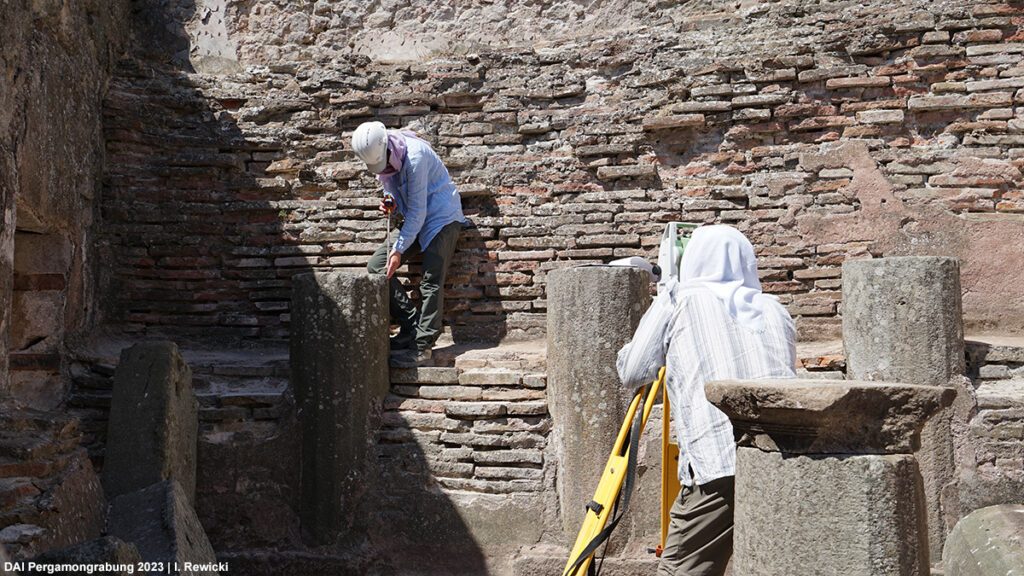
The Theater in the lower city of Pergamon was part of a group of large buildings erected during the Roman Imperial period. It was partly excavated in the mid-20th century, but a complete study of its architecture was still pending. Recently, a Turkish-German team conducted systematic investigations, resulting in new insights into the building’s construction phases. Moreover, the research revealed that it is the largest ancient theater in Asia Minor, reflecting the competition between the cities of Ephesus, Smyrna and Pergamon. Its ground plan has been integrated into the Pergamon Digital Map, which will soon be released in version 1.2.