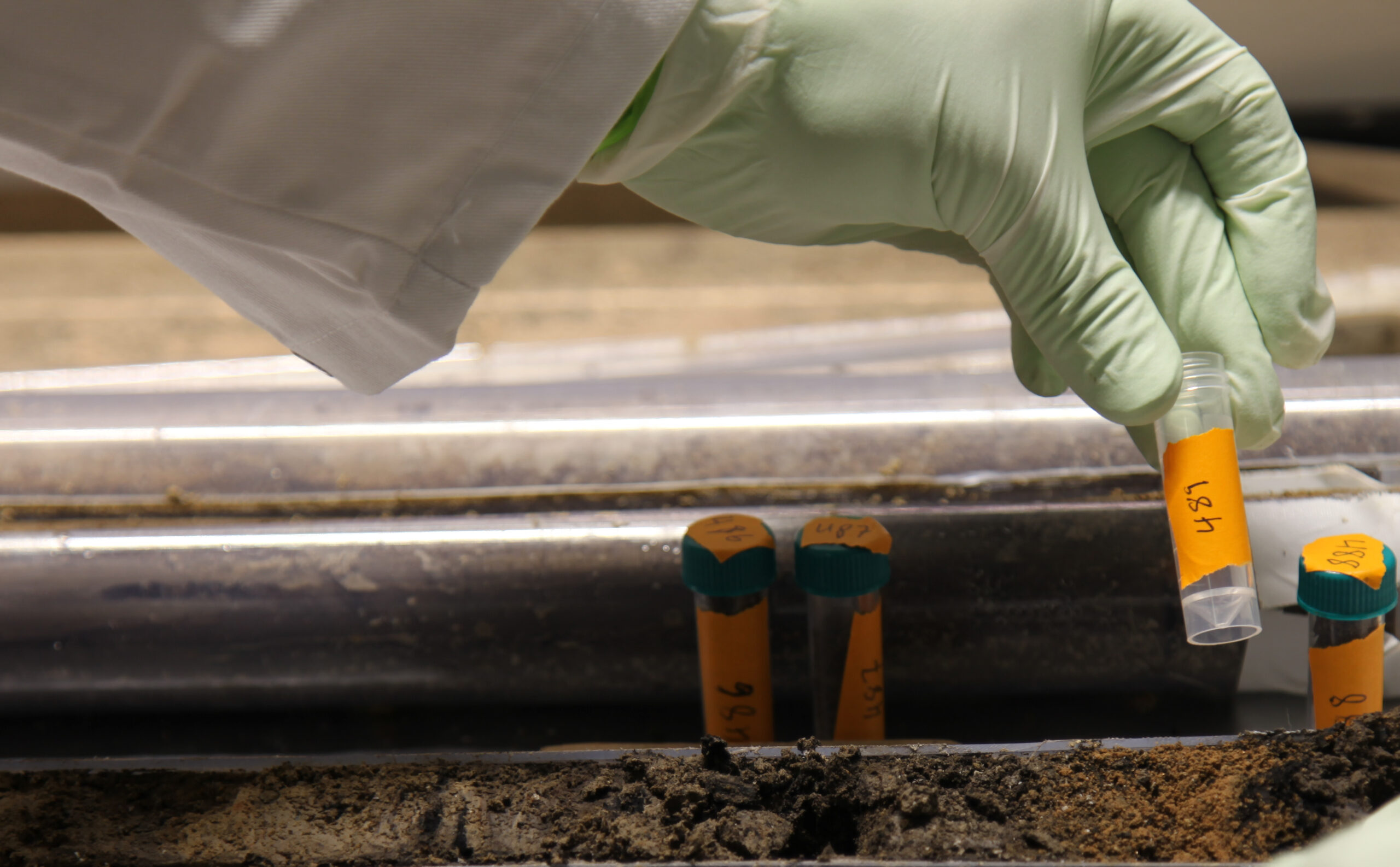
Research in the peatland of the Congo Basin
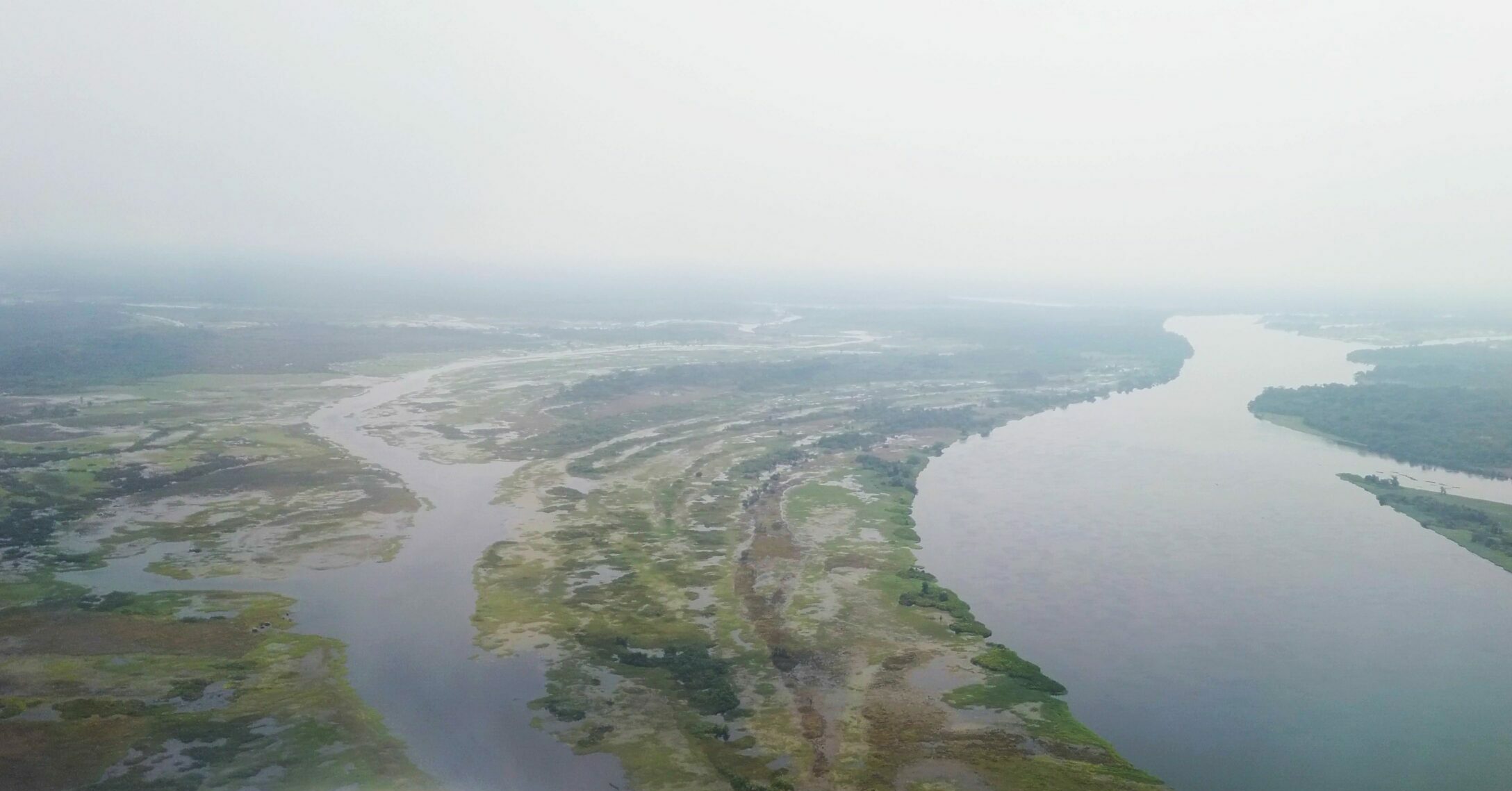
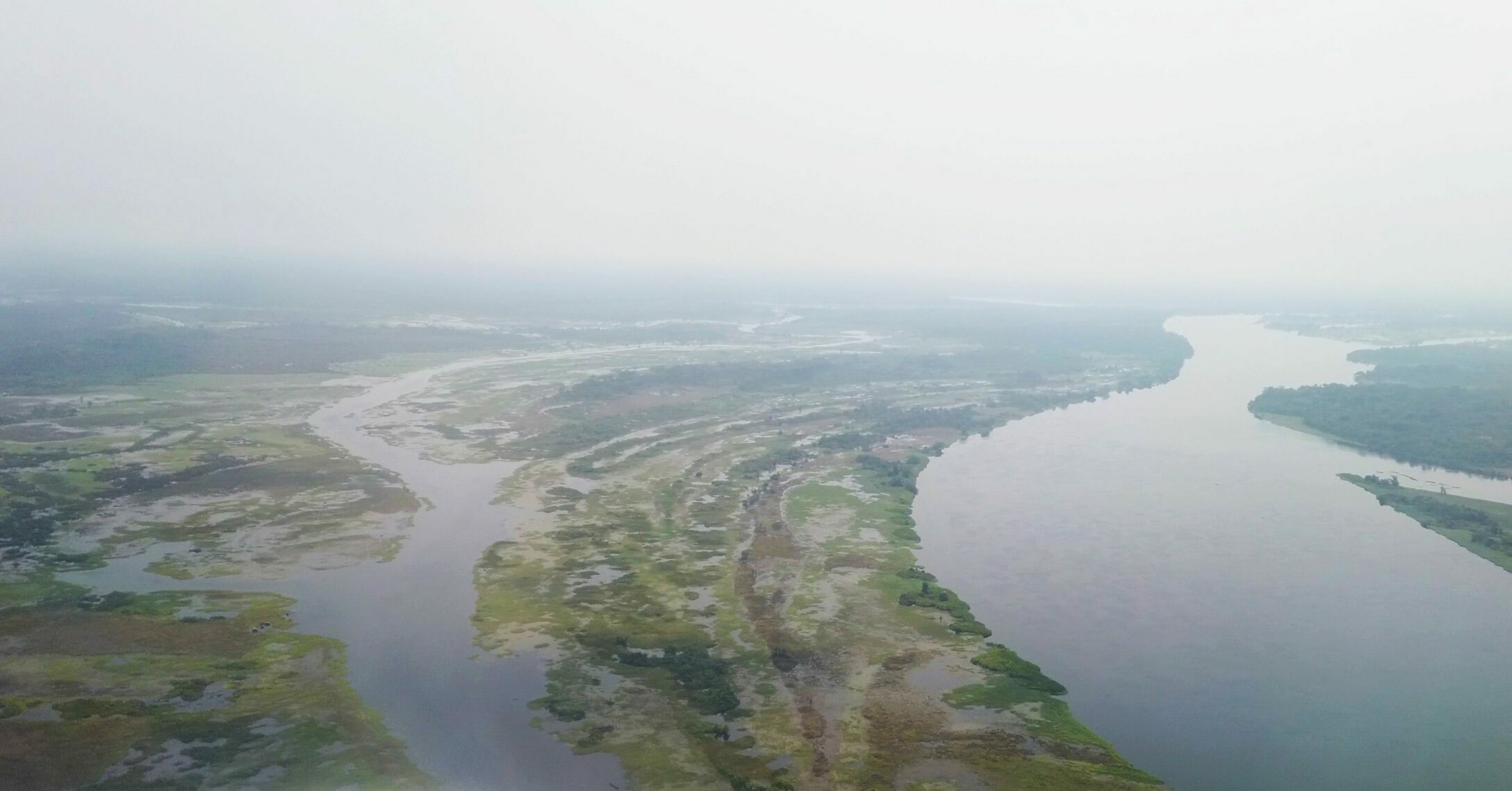
The Congo Basin hosts the largest tropical peat bog complex in the world. Within the framework of the SPP, a sediment sequence of about 2 m depth was sampled and investigated.
Das Kongobecken beherbergt den größten tropischen Torfmoorkomplex der Welt. Im Rahmen des SPP wurde eine ca. 2 m tiefe Sedimentsequenz entnommen, und untersucht.
The 2023 annual conference of the DAI research cluster “Body and Death” takes place online and at the German Archaeological Institute in Athens from October 17 to 19. It will […]
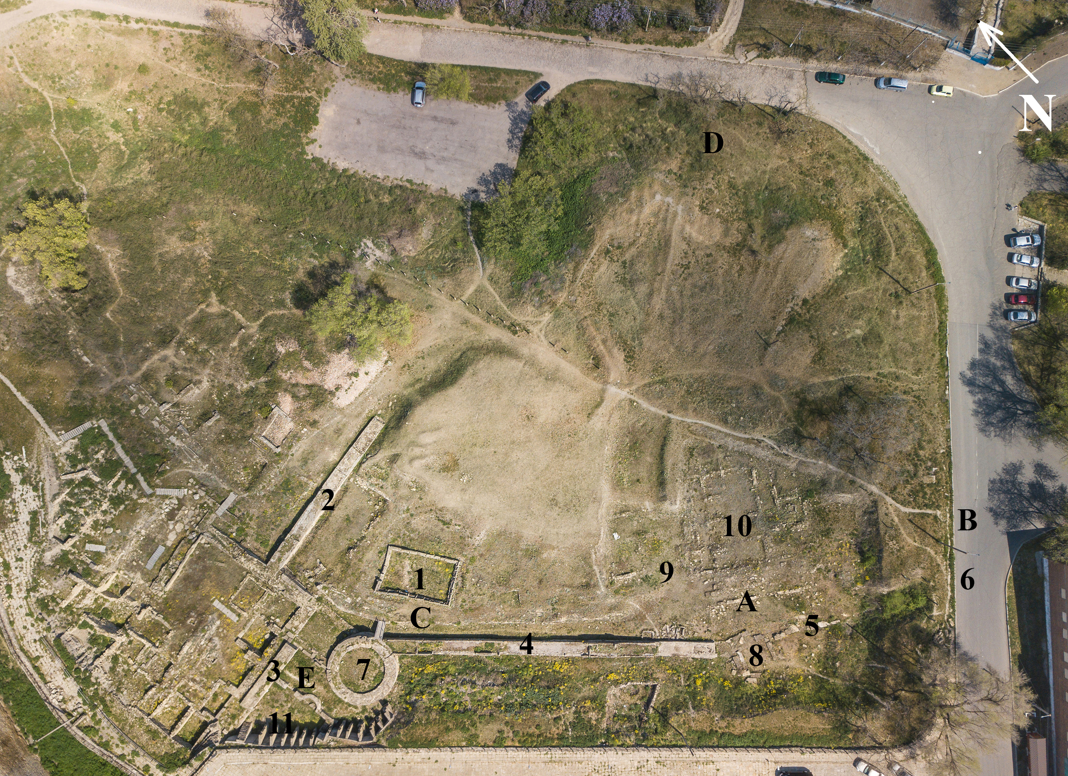
The ancient city of Tyras founded by Greek colonists in the 6th century BC in today’s Odesa region is on UNESCO’s Tentative List and is one of the numerous sites […]
Read the newest publication from Benjamin Irvine and his colleagues about archaeobotanical remains from the Bronze Age in Kaymakçi, Western Anatolia: /*! elementor – v3.15.0 – 09-08-2023 */ .elementor-widget-image{text-align:center}.elementor-widget-image a{display:inline-block}.elementor-widget-image […]
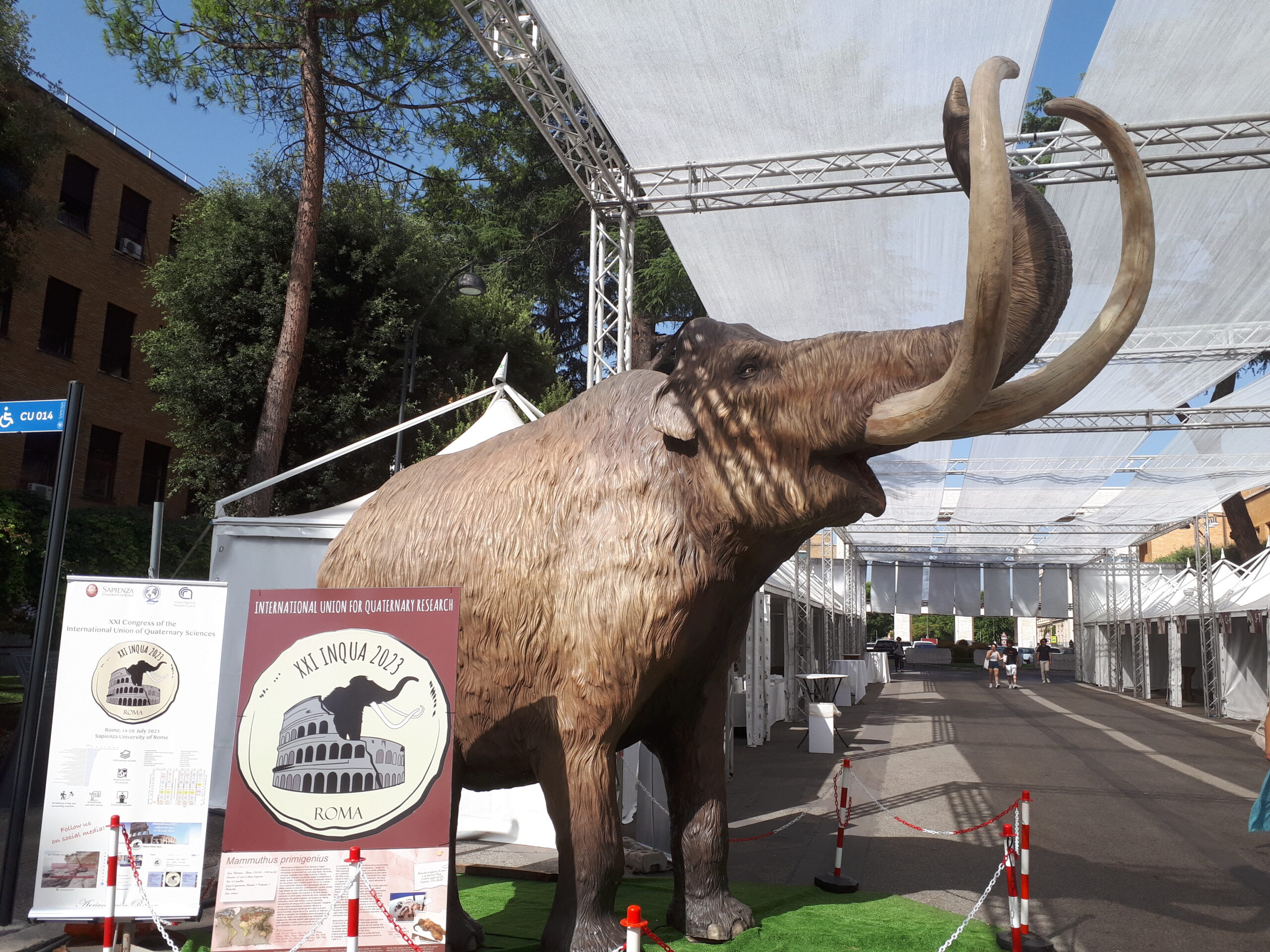
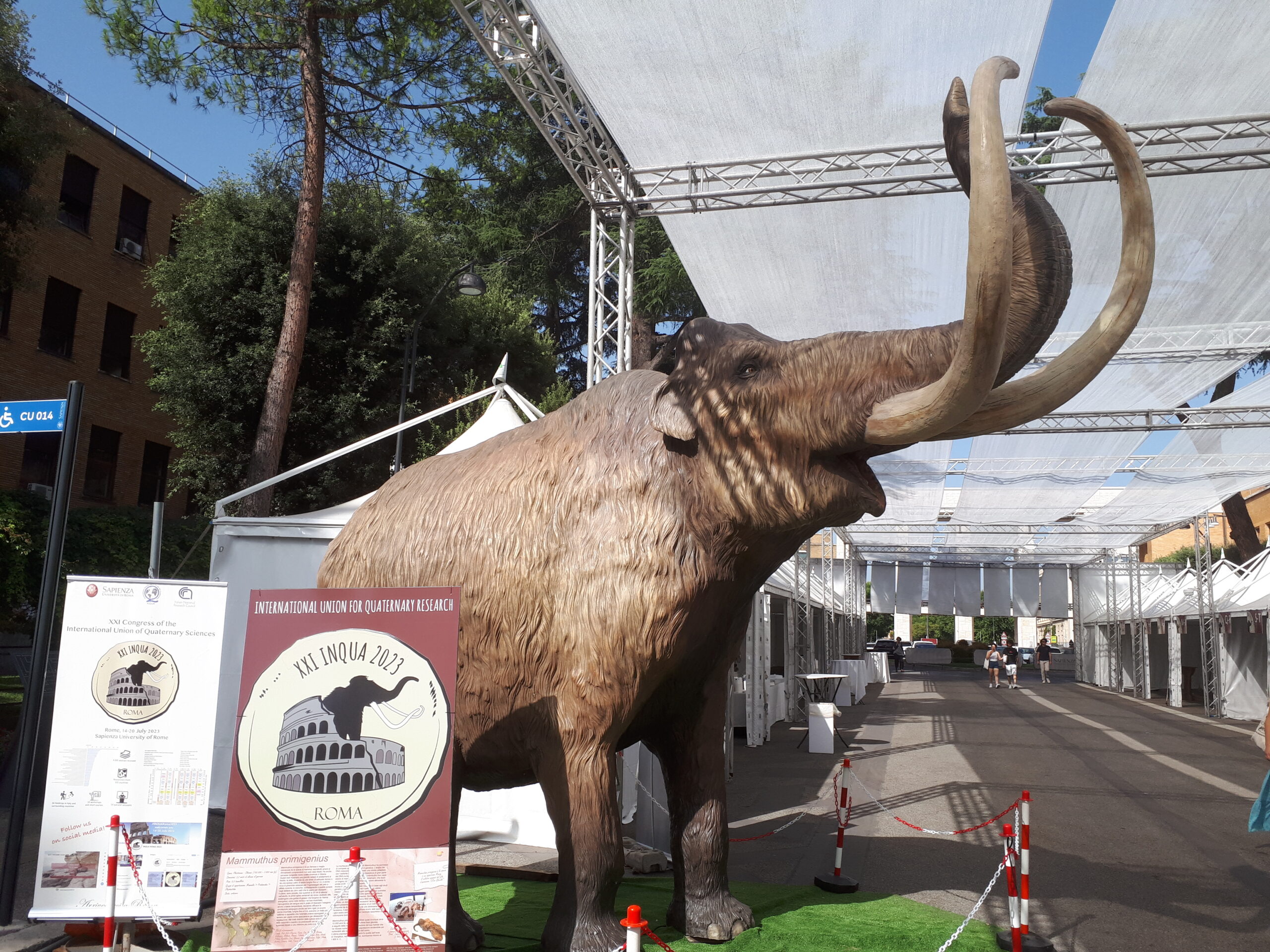
The SPP project DeGree participated in July 2023 with two lecture in the 21st INQUA in Rome.
Das SPP Projekt DeGree war im Juli 2023 mit zwei Vorträgen auf den 21. INQUA, in Rom.
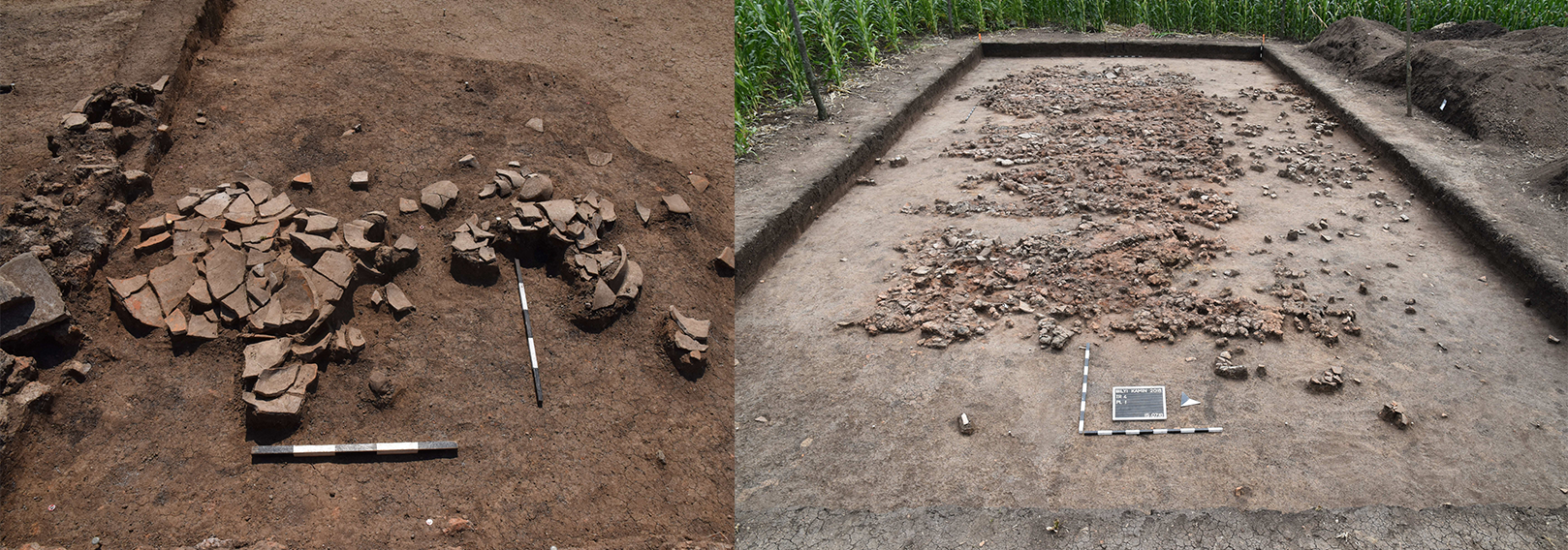
This week we continue the discussion of prehistoric technologies started in the previous post and turn to the rich heritage of the Trypillia culture. Vitalii Rud is a senior researcher […]
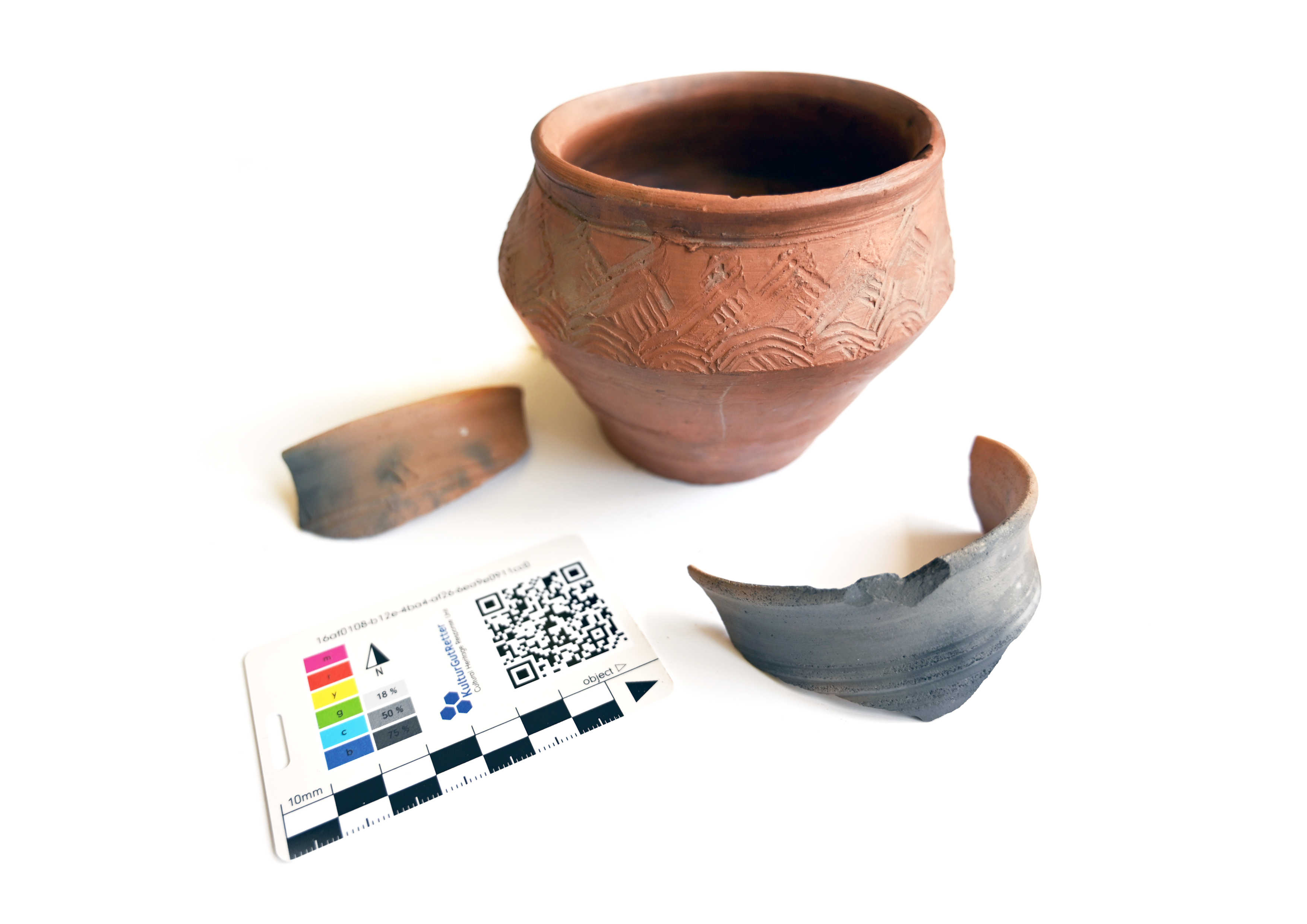
Das Projekt KulturGutRetter entwickelt einen Workflow zur optimalen Erfassung und Verwaltung von Daten für die Notfallrettung von Kulturgut.
Authors: Elvira Iacono, Research Assistant, and Bernhard Fritsch, Data Manager, German Archaeological Institute – DAI Also published in: Technical Bulletin #2, June 2023, PROCULTHER-NET. Emergency rescue of built or movable […]
Before reading this blog entry we recommend to read the last article on chipped stones from the 5th of July by Jonas Breuers “Chipped Stones: What they are and how […]
The 72nd volume of the Istanbuler Mitteilungen has been published in a new design and is now also available online in addition to the printed edition. From the Late Chalcolithic […]
Last week we provided a brief insight into the rich archaeological heritage of Ukraine. We presented the Mezhyrich site and the other Palaeolithic settlements with houses made of mammoth bones, […]
As the Istanbul Department of the German Archaeological Institute, we are pleased to inform you on behalf of our workshop which will focus on Archaeoseismology. The workshop will be held […]
von Katja Roesler Im Rahmen der Mainzer Römertage waren diesmal zwei Archäologen zu Gast auf dem roten Science Sofa der Mainzer Wissenschaftsallianz. Das Sofa, aufblasbar und wetterfest, dient Wissenschaftler*innen aller […]